Kitchen suppression · 6 min read
ANSUL and Buckeye Fire Suppression Systems for Commercial Kitchens
A commercial fryer or cooking line needs protection designed for hot cooking oil and grease. ANSUL R-102 and Buckeye Kitchen Mister are fixed kitchen suppression systems, not ordinary portable extinguishers or kitchen extractor fans.
What a wet-chemical suppression system protects
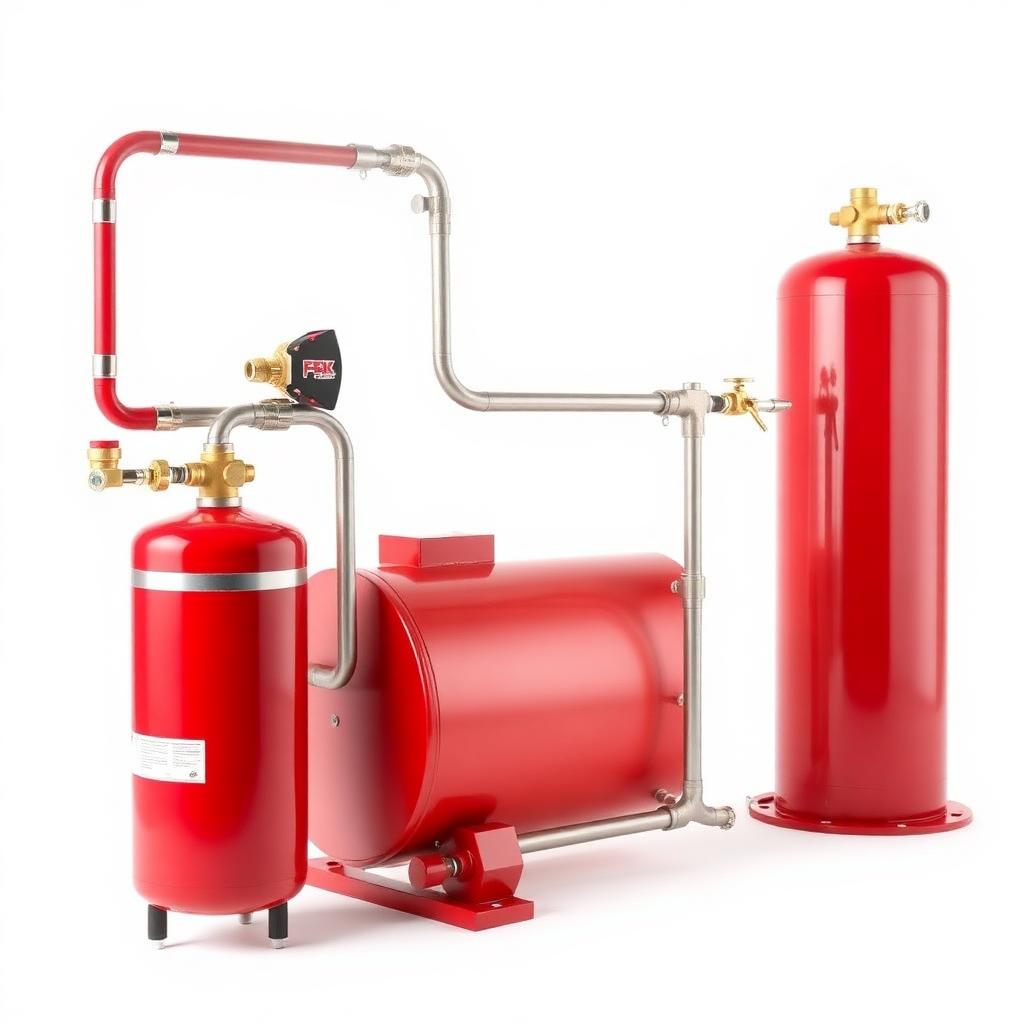
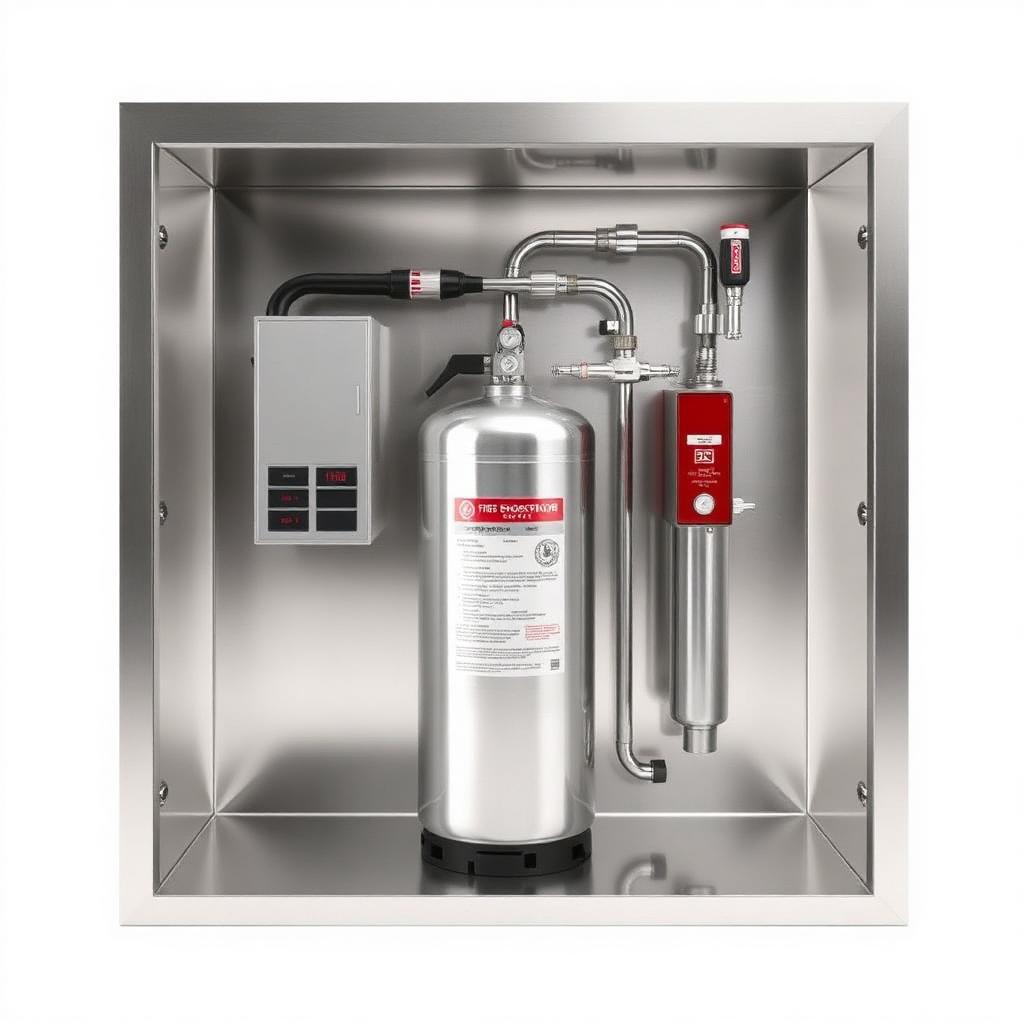
These systems use a wet-chemical agent to suppress cooking-oil and grease fires and help cool hot surfaces, reducing the risk of re-ignition. A design may cover appliances, the hood plenum and duct areas within the manufacturer’s listed limits.
Protection depends on the appliance arrangement, nozzle selection, pipework and other design details. One kit cannot be assumed to protect every restaurant, hotel kitchen or food truck.
Automatic activation and a manual backup
ANSUL R-102 offers automatic detection and activation plus a remote manual means of operation. Buckeye’s owner guidance describes an accessible manual operating means on the escape route and automatic shutdown of cooking fuel or energy when the system activates.
Confirm how the installed system operates, what it shuts down and how it interfaces with the building’s alarm system. Staff should know where the manual release is and follow their emergency plan rather than remaining in a dangerous kitchen.
ANSUL or Buckeye: choose the design, not just the name
- Provide a complete list of fryers, grills, ranges and other appliances, with sizes and positions.
- Share hood dimensions, duct layout and the cooking fuel or electrical supply.
- Ask for the exact model, coverage, shutdown arrangements and documentation included in the proposal.
- Use personnel qualified for the chosen manufacturer’s system; do not assume brands or parts are interchangeable.
- Review any proposed kitchen changes with the system provider before moving appliances.
Suppression does not replace extraction or portable protection
A hood and extractor fan remove heat and grease-laden air; suppression addresses a fire. Keep hood filters and ducts on an appropriate cleaning programme and arrange suitable portable wet-chemical protection for cooking-oil risks as part of the site’s fire-safety plan.
Never use water on burning cooking oil. Maintain clear exits, safe fuel connections and staff procedures alongside the fixed system.
Servicing and post-discharge safety
Follow the applicable manufacturer’s inspection and maintenance instructions and local authority requirements. A qualified provider should inspect and service the system, and restore it after a discharge. Do not put a discharged or impaired system back into cooking service without the required checks and recharge.
Keep service records and ask the provider to verify that nozzles, detection, manual release and shutdown arrangements still match the actual kitchen.
Request a kitchen-specific quotation
Robust Fire Services supplies and installs kitchen suppression systems and offers related servicing, range hoods and extraction equipment. Share photos, hood measurements, appliance details and your location when discussing a quotation. Confirm current pricing, coverage and inclusions for your kitchen rather than assuming a listed system price covers every installation.
Common questions
- Does a food truck need a suppression system?
- Cooking with fryers or other grease-producing equipment can create a significant hazard. Have the cooking layout assessed and confirm applicable requirements with the relevant authorities; being mobile does not remove the fire risk.
- Can I move a fryer after the system is installed?
- Not without a review. Appliance position affects nozzle coverage and the listed design; ask a qualified system provider before making changes.
Need help choosing or booking?
Call us on 876-857-7584 or get started online.
Sources & further reading
Sources checked: 17 October 2026. Confirm current requirements with the relevant authority.